

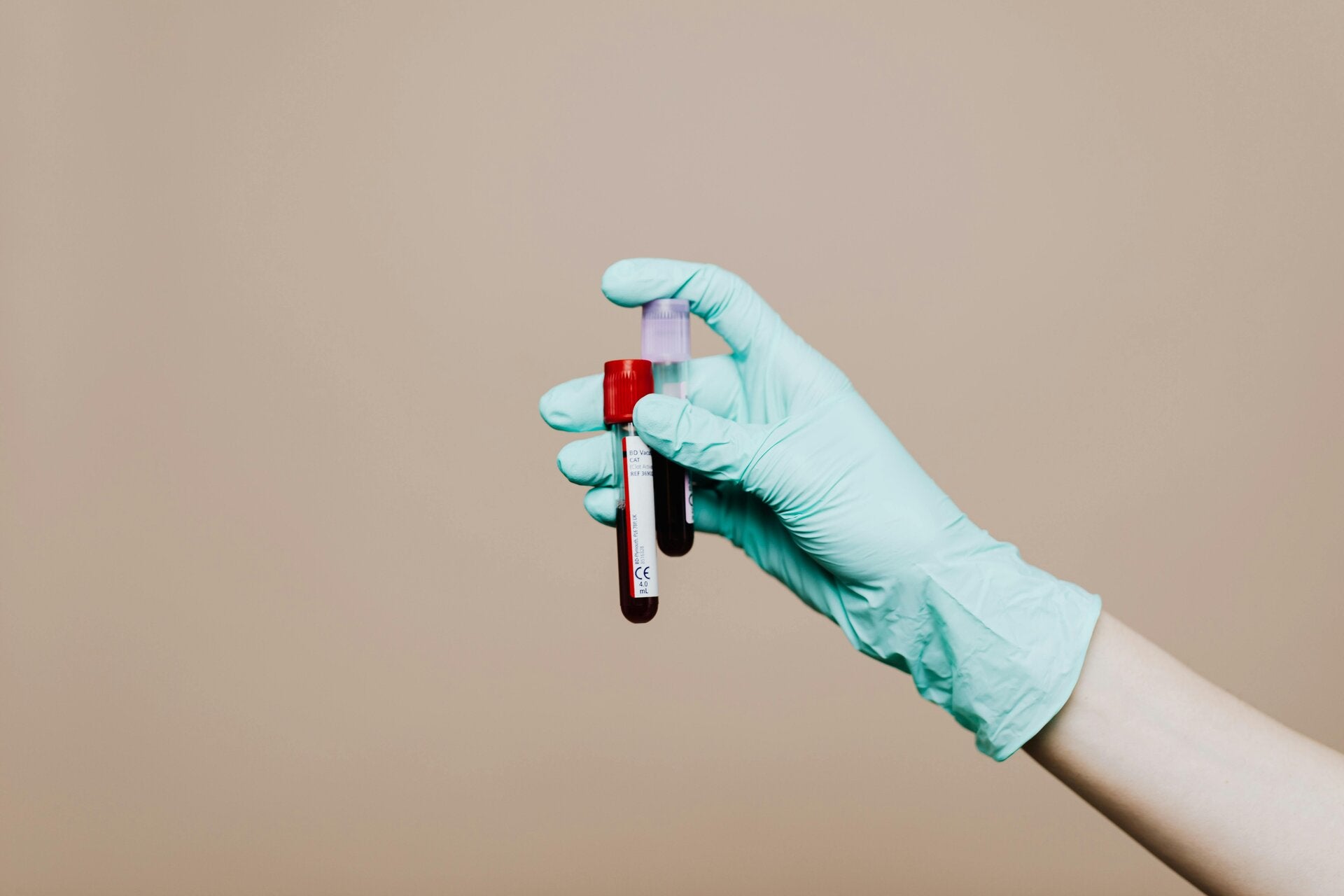
Demystifying average phlebotomy results
Blood tests provide crucial insights into your overall health by measuring components like cells, chemicals, and proteins. They are used to diagnose conditions, monitor chronic diseases, check organ function (liver, kidneys, thyroid), screen for infections, and assess nutrient levels

What are blood results?
What do blood results show us
Haemoglobin carries oxygen in the blood
Low = anemia = dizziness, tiredness
High = dehydration, certain medication
WBC - fight infections
Low (leukopenia) = bone marrow, viral infection
Increase risk of infection
High (leukocytosis) = infection
Platelets - help blood to clot when injured
Indicates risk of bleeding
Low (thrombocytopenia) = easy bruising, nosebleed, cuts not healing
Increased risk of bleeding
High (thrombocytosis) = infection, iron deficiency, recovery after blood loss
Increased risk of clots
CRP - substance made by your liver which rises when there is inflammation in the body, it is just a marker of inflammation or infection
Low = normal + good
High = infections, inflammatory disease (arthritis)
Sodium - electrolyte which control vital body functions
Low (hyponatraemia) - headache, nausea
Cause - heart, kidney, certain medication, drinking too much water
High (hypernatraemia) - dehydration
Cause - thirst, weakness
Potassium - controls heart rhythm, muscle contraction, supports muscles and heart
Low (hypokalemia) - muscle weakness, cramps, abnormal heart rhythm
Cause - diuretics, vomiting/diarrhoea
High (hyperkalemia) - heart rhythm irregularities
Cause - kidney problems, certain medication
Urea - waste product that is removed by your kidneys and it shows the kidneys are working normally
Low - liver disease,
High - dehydration, kidney not filtering properly
Creatinine - waste product when muscle use energy, marker for kidney function
Low - pregnancy, older patients
High - AKI, CKD, dehydration, meds
EGFR - how well your kidneys are filtering from your blood
Low - AKI, CKD, diabetes, hypertension
Glucose - type of sugar in your blood
Low (hypoglycemia) - diabetes treatment, not eating enough - dizziness, shaking
High (hyperglycaemia) - diabetes, stress - thirst
HBA1C - average blood glucose over last 2-3 months
Low - good glucose control
High - poor long term sugar control
Create Your Own Website With Webador